Journal Prompts for Decision Fatigue, Choice Paralysis, and Feeling Mentally Overloaded

There is a specific kind of exhaustion that does not come from one big problem, but from too many small ones.
What to eat. What to wear. What to reply. What to prioritize. What to start first. What can wait. What matters. What does not.
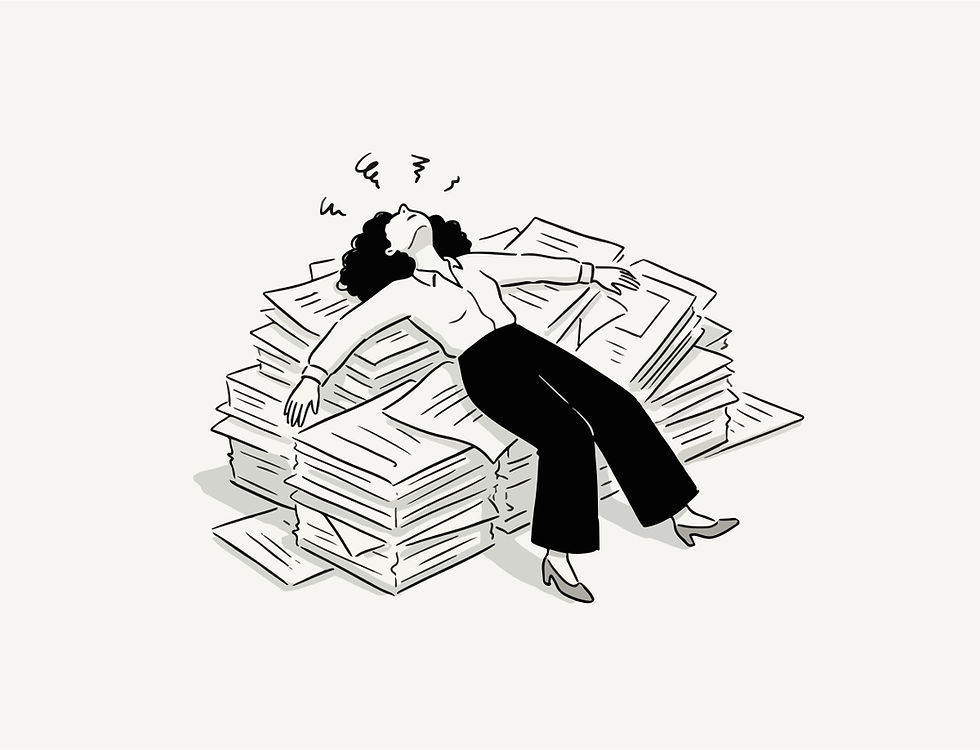
By the time you make dozens of these micro-decisions, your brain starts to feel like it is overheating.
This is often described as decision fatigue, and for many people it shows up as overwhelm, procrastination, avoidance, or complete mental shutdown.
It is especially common in people dealing with:
ADHD-like symptoms or executive dysfunction
chronic stress or burnout
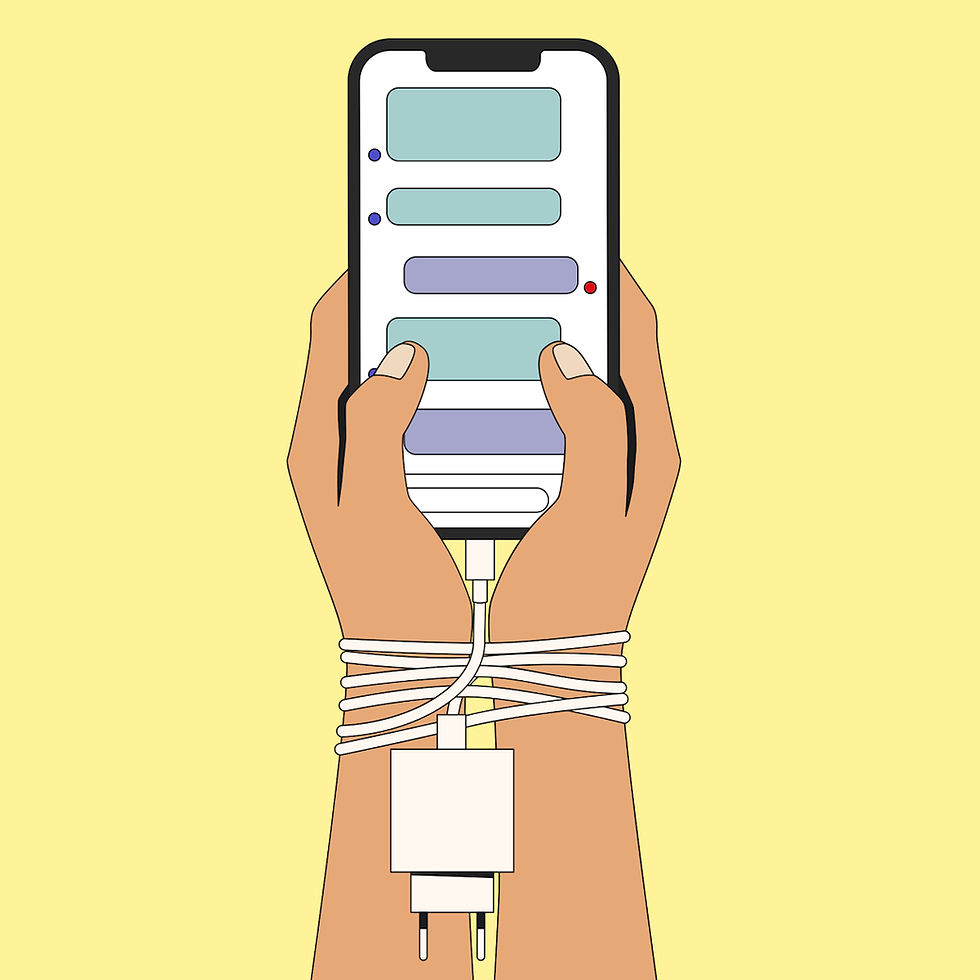
overstimulation from digital life
anxiety and overthinking patterns
high responsibility or multitasking roles
When your brain is overloaded, even simple choices can feel strangely heavy.
Why Decision Fatigue Happens
Your brain has a limited capacity for high-quality decision-making each day. As that capacity gets used up, choices become harder, slower, and more emotionally draining.
That is why later in the day you might:
struggle to pick meals
avoid replying to messages
scroll instead of deciding what to do
feel stuck between options
default to doing nothing
This is not laziness. It is cognitive overload.
The goal of journaling here is not to force productivity. It is to reduce mental noise and reconnect with clarity.
How Journaling Helps With Overwhelm and Mental Clarity
Overwhelm often happens when thoughts are all happening at once in your mind with no structure.
Journaling creates structure.
It helps you:
externalize competing thoughts
identify what actually needs attention
reduce emotional pressure around small decisions
recognize patterns of avoidance or burnout
separate urgent from non-urgent
calm mental overstimulation
Even a few minutes of writing can slow down the feeling of mental clutter.
20 Journal Prompts for Decision Fatigue, Overwhelm, and Mental Clarity
1. What decisions feel the most draining for me right now?
Notice both big and small choices.
2. What is currently taking up the most mental space in my mind?
3. What decisions am I avoiding and why?
Avoidance often signals overwhelm, not inability.
4. What actually matters today versus what feels urgent but is not?
5. When do I feel the most mentally overloaded during the day?
Look for patterns or triggers.
6. What small decisions feel weirdly difficult right now?
Even simple choices can reveal fatigue.
7. What would I choose if I trusted myself more?
This explores confidence, not perfection.
8. What is one decision I can remove or simplify today?
Not everything needs full mental energy.
9. What am I overthinking that does not actually need more thought?
10. What does “mental clarity” feel like in my body?
Try to define it personally.
11. What choices do I make on autopilot that actually drain me?
12. What would I stop deciding if I could simplify my life right now?
13. What am I trying to control through overthinking?
14. What is one thing I keep putting off because it feels mentally heavy?
15. What would help my brain feel less crowded right now?
16. What decisions actually belong to me, and which do not?
Some pressure is external.
17. When do I feel most mentally clear or focused?
Try to identify conditions that support clarity.
18. What am I afraid will happen if I make the wrong choice?
19. What can I let be “good enough” instead of perfect?
20. What is one small step I can take without overthinking it?
Conclusion
Decision fatigue is not a sign that you are bad at making choices. It is a sign that your brain is overloaded from too many inputs, too many demands, and too little mental space to rest.
These decision fatigue journal prompts are meant to slow things down, reduce overwhelm, and help you reconnect with clarity one thought at a time.
You do not need to solve everything at once.
Sometimes the most helpful thing you can do is make one small decision, write one clear thought, and let your mind unclench a little before the next one.