Journal Prompts for Digital Overstimulation and Brain Fog
There is a kind of exhaustion that does not always look dramatic from the outside.
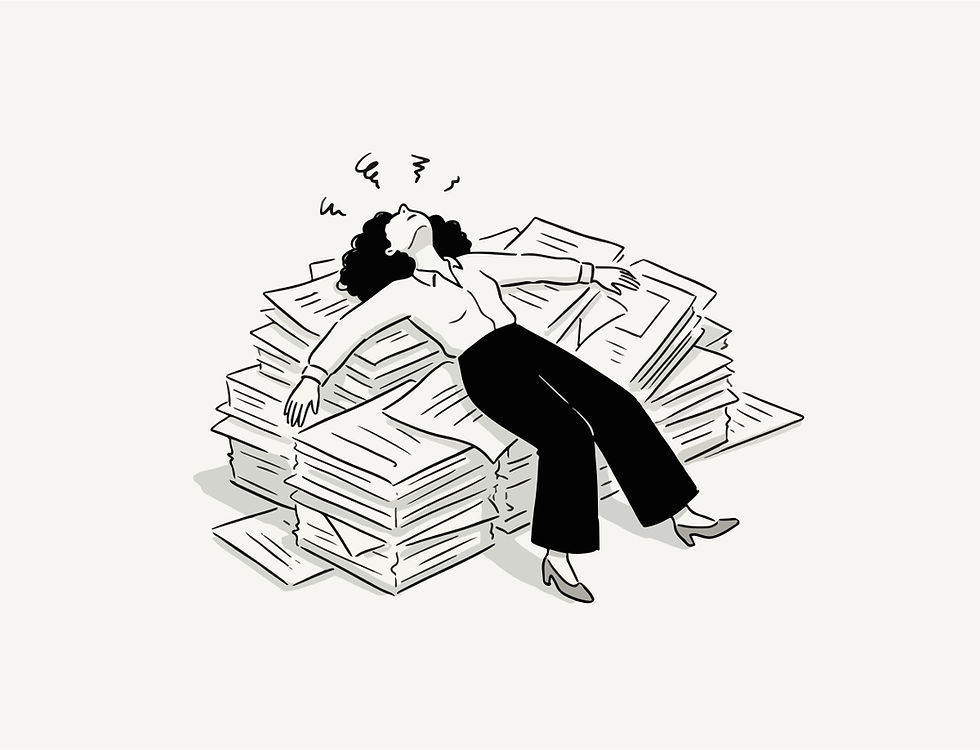
You answer messages. Scroll for “just a few minutes.” Watch short videos until your brain feels strangely numb. Open one tab, then five more. Listen to a podcast while checking notifications while mentally rehearsing tomorrow’s responsibilities. By the end of the day, you feel overwhelmed and mentally cluttered, but somehow also under-stimulated at the same time.
A lot of people are living in a near-constant state of digital overstimulation.
Modern life floods the brain with information faster than humans were designed to process it. Notifications, AI-generated content, endless news cycles, doomscrolling, algorithm-driven feeds, work emails, advertisements, online arguments, productivity advice, and short-form videos compete for attention all day long.
Over time, that constant input can leave people feeling mentally foggy, emotionally drained, distracted, irritable, anxious, detached, or unable to focus deeply on anything for very long.
This does not necessarily mean something is “wrong” with you.
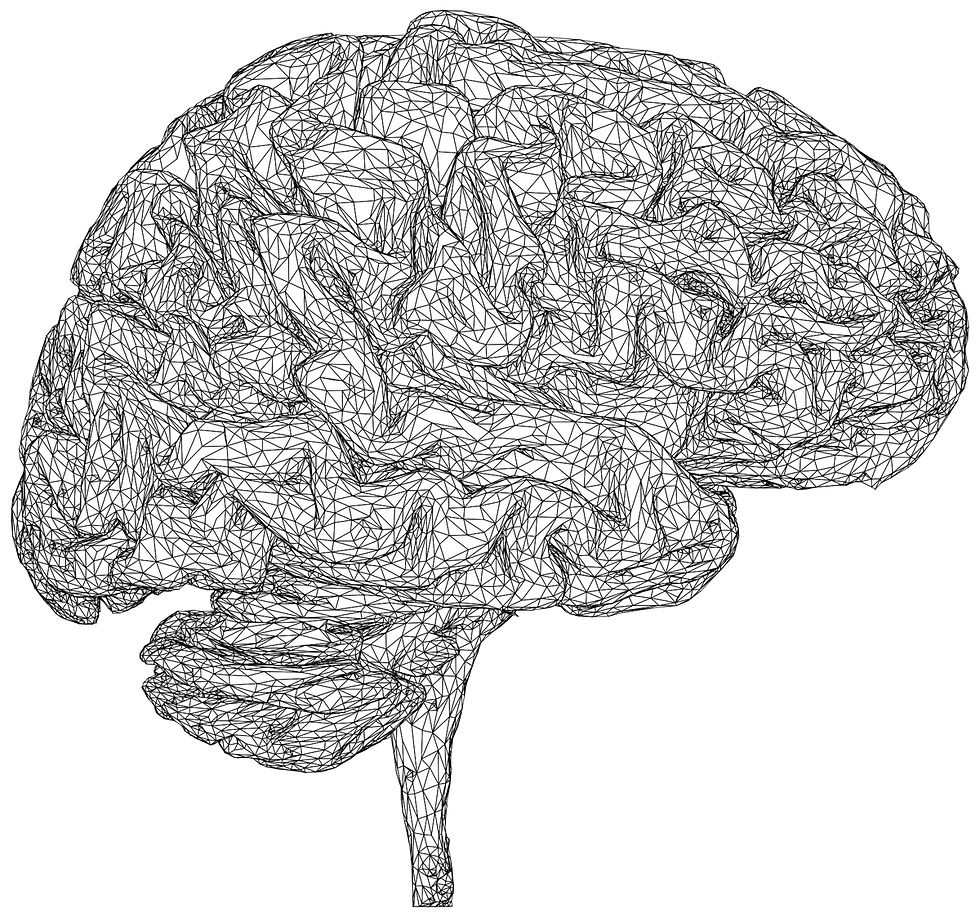
Your brain may simply be overwhelmed.
Digital overstimulation can affect sleep, concentration, emotional regulation, motivation, memory, and mental clarity. Many people experiencing brain fog are not lazy or unintelligent. They are mentally overloaded.
Journaling can help slow things down.
These journal prompts for digital overstimulation and brain fog are designed to help you process mental clutter, reconnect with your thoughts, and create small moments of calm in a world that constantly demands your attention.
This is not about becoming perfectly unplugged or suddenly turning into someone who meditates in silence for two hours every morning. It is about noticing how your mind feels and giving yourself permission to step out of survival mode for a moment.
What Does Digital Overstimulation Feel Like?
Overstimulation symptoms can look different for everyone, but common experiences include:
brain fog
difficulty concentrating
irritability
emotional numbness
anxiety
sleep problems
mental exhaustion
forgetfulness
doomscrolling for hours without meaning to
feeling unable to relax without a screen
difficulty being present offline
Many people also describe feeling constantly “on,” even during downtime.
Your brain needs rest from processing information, not just rest from physical activity.
Why Journaling Can Help With Brain Fog and Mental Exhaustion
Reflective journaling helps externalize thoughts that are bouncing around internally. Instead of carrying every notification, unfinished task, intrusive thought, and mental reminder in your head all at once, journaling gives those thoughts somewhere to go.
Writing can also:
improve emotional awareness
support stress reduction
help identify overstimulation triggers
reduce mental clutter
encourage mindfulness
improve sleep hygiene by calming racing thoughts before bed
Most importantly, journaling creates a pause.
And in a world designed to keep you continuously scrolling, pauses matter.
25 Journal Prompts for Digital Overstimulation and Brain Fog
1. What does my brain feel like right now?
Try describing it without judging yourself. Scattered? Heavy? Loud? Tired? Foggy? Buzzing?
2. When do I feel most mentally overloaded during the day?
Notice patterns involving screens, work, notifications, social media, or multitasking.
3. What kinds of content leave me feeling worse afterward?
Not all content affects people equally. Some feeds create inspiration. Others create anxiety, comparison, anger, or exhaustion.
4. When was the last time I felt fully present without checking my phone?
What were you doing? Who were you with? How did it feel?
5. What emotions tend to appear when things get quiet?
Many people use constant stimulation to avoid difficult emotions, loneliness, uncertainty, or stress.
6. What does doomscrolling actually give me in the moment?
Distraction? Numbing? Stimulation? Validation? Escape?
7. What am I mentally carrying right now that I have not fully processed?
Brain fog sometimes comes from accumulated emotional clutter.
8. Which notifications genuinely matter, and which ones just create urgency?
Not everything deserves immediate access to your attention.
9. How has my attention span changed over the past few years?
Be honest without shaming yourself.
10. What activities make my brain feel calmer instead of louder?
This could include reading, walking, crafting, stretching, journaling, music, silence, or spending time outdoors.
11. What does “rest” currently look like for me?
Does your version of rest still involve constant input?
12. What thoughts repeatedly interrupt my ability to focus?
Write them down instead of trying to force them away.
13. How does my body react when I spend too much time online?
Notice headaches, eye strain, tension, fatigue, restlessness, or sleep disruption.
14. What would a healthier relationship with technology realistically look like for me?
Not perfection. Realism.
15. What information am I consuming too much of?
News? Productivity advice? Online discourse? AI content? Self-improvement content? Other people’s opinions?
16. What parts of my day feel mentally quiet?
Even small moments matter.
17. How does overstimulation affect my sleep?
This can connect strongly to sleep hygiene, blue light exposure, anxiety, and nighttime scrolling habits.
18. What am I afraid I might miss if I disconnect for a while?
This prompt can reveal underlying fears around relevance, social connection, safety, or productivity.
19. What does my ideal low-stimulation environment look like?
Describe sounds, lighting, colors, textures, and routines.
20. What kinds of boundaries could protect my mental energy?
Examples might include:
turning off notifications
limiting social media
avoiding screens before bed
taking breaks during work
not checking emails immediately after waking up
21. When do I feel most connected to myself offline?
Try identifying moments where your brain feels clearer and more grounded.
22. What does mental clarity feel like in my body?
Sometimes clarity feels lighter, slower, quieter, or less tense.
23. What would happen if I stopped trying to consume information all the time?
Many people struggle with the pressure to constantly stay informed, optimized, entertained, and updated.
24. What am I genuinely tired of?
Not what sounds impressive. What actually drains you?
25. What small thing could help my brain feel safer and calmer this week?
Think small and realistic, not life-changing.
Your Brain Was Never Meant to Process This Much Information Constantly
Many people blame themselves for struggling to focus in environments that are intentionally designed to compete for human attention.
Apps, feeds, advertisements, and platforms are built to keep people engaged for as long as possible. Constant stimulation can train the brain to crave novelty while making sustained attention and rest feel more difficult.
That does not mean you are broken.
It means you are human.
You do not need to become perfectly productive, perfectly informed, or perfectly optimized to deserve peace of mind.
Sometimes mental clarity begins with reducing the pressure to consume, respond, optimize, and perform every second of the day.
And sometimes healing starts with something very small.
Closing one tab. Turning off one notification. Sitting in silence for one minute longer than usual. Writing down what your brain has been trying to carry alone.