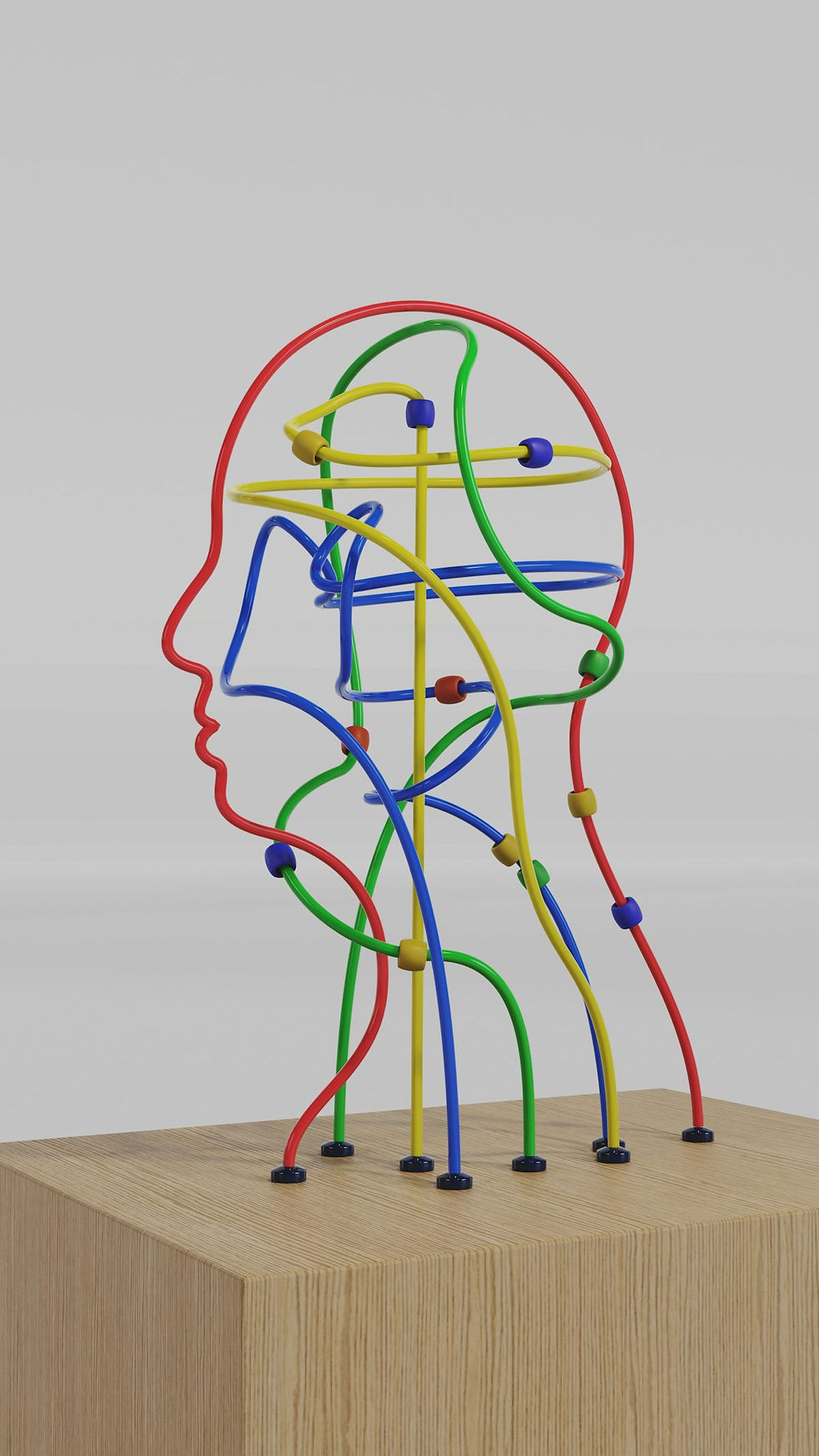
Signs You Need to Start Journaling: What Your Mind Might Be Trying to Tell You

Journaling is often framed as a habit for productivity or self-improvement, but in reality, it is often something people turn to when their mind starts feeling overloaded. You do not need to be “good at writing” or going through a major life event to benefit from it.
If you have been wondering whether journaling would help you, there are some common mental and emotional patterns that suggest it might be worth trying. These are not warning signs in a serious sense, but indicators that your thoughts may benefit from more space and structure.
Here are some signs you need to start journaling and what they often mean.
1. You feel mentally overwhelmed by small things
If everyday tasks or minor decisions start to feel heavier than they should, it may be a sign that your mental load is too full.
Journaling helps by externalizing thoughts so they are not all competing for attention at once. When everything stays in your head, even small stressors can feel magnified.
2. You keep thinking about the same things over and over
Repetitive thoughts, also called rumination, often show up when something is unresolved or emotionally charged.
Writing these thoughts down can help break the loop. Instead of cycling through the same ideas internally, journaling gives them structure and distance.
3. You struggle to understand how you feel
Sometimes emotions are present but not clearly defined. You may feel “off,” stressed, or disconnected without knowing why.
Journaling helps translate vague emotional experiences into words. Over time, this builds emotional clarity and makes it easier to identify what you actually need.
4. You feel emotionally reactive
If you notice strong reactions to small situations, it may be a sign that emotions are building up without being processed.
Writing regularly can help you slow down emotional responses and notice patterns in what triggers certain reactions.
5. Your thoughts feel scattered or hard to focus
When your mind feels constantly busy, it can be difficult to concentrate or prioritize.
Journaling acts as a mental reset by transferring thoughts from working memory onto paper. This often leads to clearer thinking and improved focus.
6. You overthink conversations or decisions
Replaying past conversations or second-guessing decisions is a common form of mental looping.
Writing about these situations can help you separate facts from assumptions and reduce the intensity of overthinking.
7. You feel like you are carrying too much internally
Sometimes there is no single issue, just a general sense of mental weight or emotional buildup.
Journaling creates space for release. Even short entries can help you unload thoughts that have nowhere else to go.
8. You have trouble tracking your own growth or patterns
Without reflection, it is easy to lose perspective on how you are changing over time.
Journaling creates a record of your thoughts, which can help you notice patterns, progress, and shifts in mindset that are not obvious day to day.
9. You feel disconnected from yourself
If you often feel like you are on autopilot or not fully in tune with your thoughts, journaling can help rebuild that connection.
Writing slows down your thinking and gives you a clearer sense of what is happening internally.
10. You want clarity but do not know where to start
A desire for clarity without knowing how to get it is one of the strongest signs journaling may help.
You do not need perfect prompts or long entries. Even writing “this is what is on my mind right now” can begin the process of untangling thoughts.
Conclusion: Signs You Need to Start Journaling
You do not need to wait for a specific moment or problem to start journaling. Often, the signs that you need it are subtle: mental clutter, overthinking, emotional confusion, or a sense of internal noise.
Journaling is not about fixing yourself. It is about giving your thoughts somewhere to go so they stop circling inside your mind.
If any of these signs feel familiar, even a few minutes of writing a day may be enough to bring more clarity, calm, and self understanding over time.